Serving Northern WI, MI UP, Northen MN Schedule a Call
General Contractors License #051400022
Rubber roofing—also known as EPDM—has been around for decades, and for a long time, it was one of the only options for flat and low-slope roofs. Rubber roofing offers numerous advantages for homeowners and property managers. It's highly durable, lasting 20-40 years with proper maintenance, and effectively resists UV damage, temperature fluctuations, and harsh weather including hail, wind, and heavy rain without rotting or corroding.
Rubber roofing is a synthetic membrane typically installed in large sheets and adhered or mechanically fastened to a roof surface. On paper, it sounds like a solid solution, but in real-world conditions—especially in Northern Wisconsin, Minnesota, and the UP—it comes with some serious drawbacks.
Rubber roofing often fails gradually then suddenly because its adhesive-based seams weaken over time, allowing separation and water intrusion; in Northern climates, temperature extremes and freeze–thaw cycles accelerate seam deterioration, and once problems begin you’re frequently stuck in a cycle of patching, resealing, and temporary fixes rather than a lasting solution.
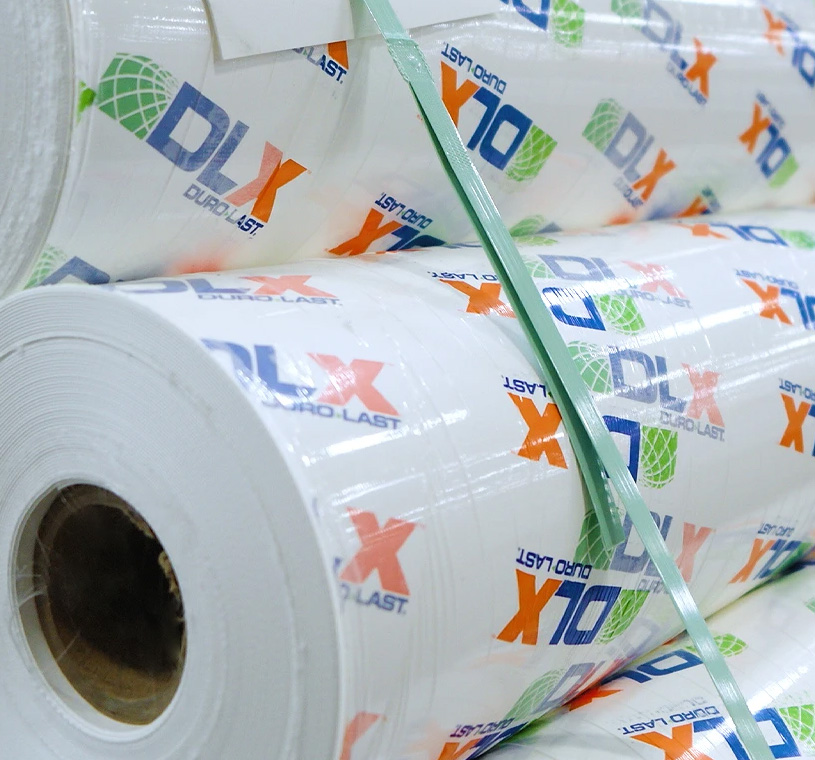
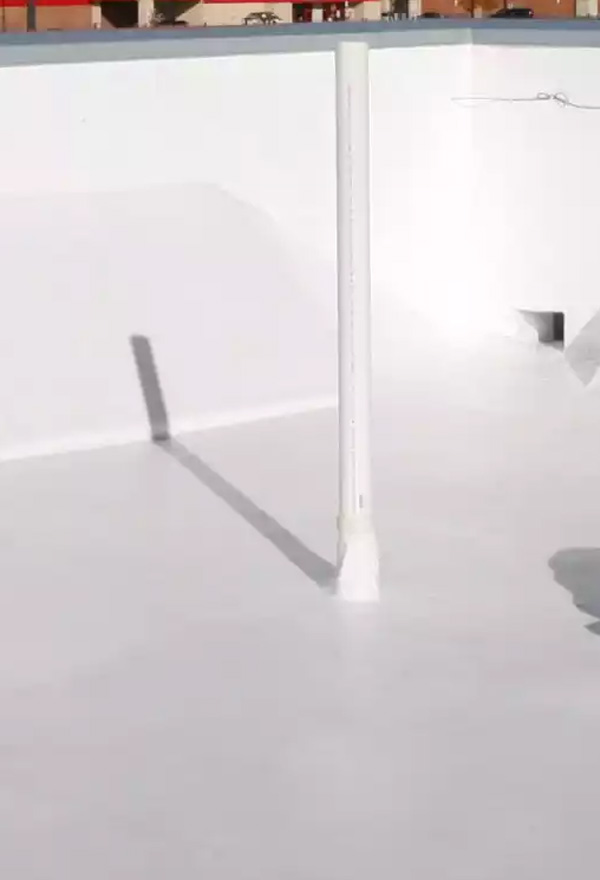
Duro-Last upgrades rubber roofing by replacing adhesive-based seams with heat-welded seams, creating a permanent, watertight bond that resists failure—one of the main reasons it outperforms traditional rubber roofing long-term.
Factory‑custom fabrication ensures each Duro‑Last membrane fits your roof exactly, resulting in fewer seams, faster installation, and reduced risk of installation errors.
Engineered for harsh Northern conditions, Duro‑Last handles heavy snow, ice dams, extreme cold, and high winds, making it a durable, environment‑specific roofing solution.
We don’t recommend rubber roofing because it ages into persistent problems—failing seams, repeated leaks, and ongoing repair costs—so instead we advise Duro‑Last; customers who switch from rubber typically stop chasing short‑term fixes and regain long‑term performance and peace of mind.
No matter the material, installation is everything. At Copper Creek Roofing & Construction, we:
We don’t just install roofs. We solve problems.
If you’re considering rubber roofing, take a step back and look at the long-term picture. There’s a reason more property owners are switching.
Contact Copper Creek Roofing & Construction today. Want a roofing system that actually holds up over time? Call today and ask about upgrading to Duro-Last.
Sometimes upfront—but it often costs more long-term due to repairs and shorter lifespan.
Yes, rubber roofing can last a long time when properly installed and maintained. Most rubber roofing systems are designed to last 20 to 40 years, with EPDM rubber typically lasting 25 to 40 years and TPO or PVC roofing lasting 20 to 30 years. The actual lifespan depends on installation quality, climate exposure, and maintenance. Rubber roofing is durable because it resists UV damage, flexes with temperature changes, handles weather well, and resists rot and decay.
Maintenance is key to longevity. Regular inspections, prompt repairs of punctures or seams, and keeping debris cleared can extend the roof's life significantly. Installation quality also matters greatly—poor sealing or fastening can shorten the lifespan regardless of the material's potential. Climate also plays a role, as regions with intense UV, hail, or extreme temperatures may see shorter lifespans than milder areas.
Absolutely. It’s a long-term solution that reduces maintenance and prevents recurring issues.
Yes—and it’s one of the most common upgrades we do.
Its heat-welded seams and custom fabrication make it far more reliable and leak-resistant.
Yes—we serve Northern Wisconsin, Northern Minnesota, and the Upper Peninsula.
Northern Wisconsin
Northern Minnesota
Upper Peninsula Michigan
Contact Information
Business Hours
Mon: 7:00am-5:00pm
Tue: 7:00am-5:00pm
Wed: 7:00am-5:00pm
Thu: 7:00am-5:00pm
Fri: 7:00am-5:00pm
Sat: By Appointments
Sun: Closed
Services
© Copper Creek Roofing & Construction. All Rights Reserved. Web Design